
Why Is My Real Estate Business Slow: 5 Brutal Reasons and How to Fix Them
Why is my real estate business slow is one of the most honest questions an agent can ask.
And it is almost always the wrong diagnosis.
Most agents who ask it look immediately at the market. Rates are high. Inventory is low. Buyers are cautious. Sellers are unrealistic. The economy is weird. All of those things might be true. None of them are why your specific business is slow.
Because homes are still selling in your market right now. Other agents in your area closed deals last month. The market did not stop. The deal flow concentrated around the agents who kept showing up while everyone else waited for conditions to improve.
That is the uncomfortable truth behind a slow real estate business. And it is also the most useful truth because it means every reason on this list is something you can fix.
Here is what is actually causing your real estate business to slow down and exactly what to do about each one.
Table of Contents
- You quietly stopped generating leads
- You are getting leads but not converting them
- Your follow up quits too early
- You are dependent on one source that dried up
- The market shifted and your approach did not
1. You Quietly Stopped Generating Leads
This is the most common reason a real estate business goes slow and the most deceptive one because it never feels like stopping.
What actually happens is this.
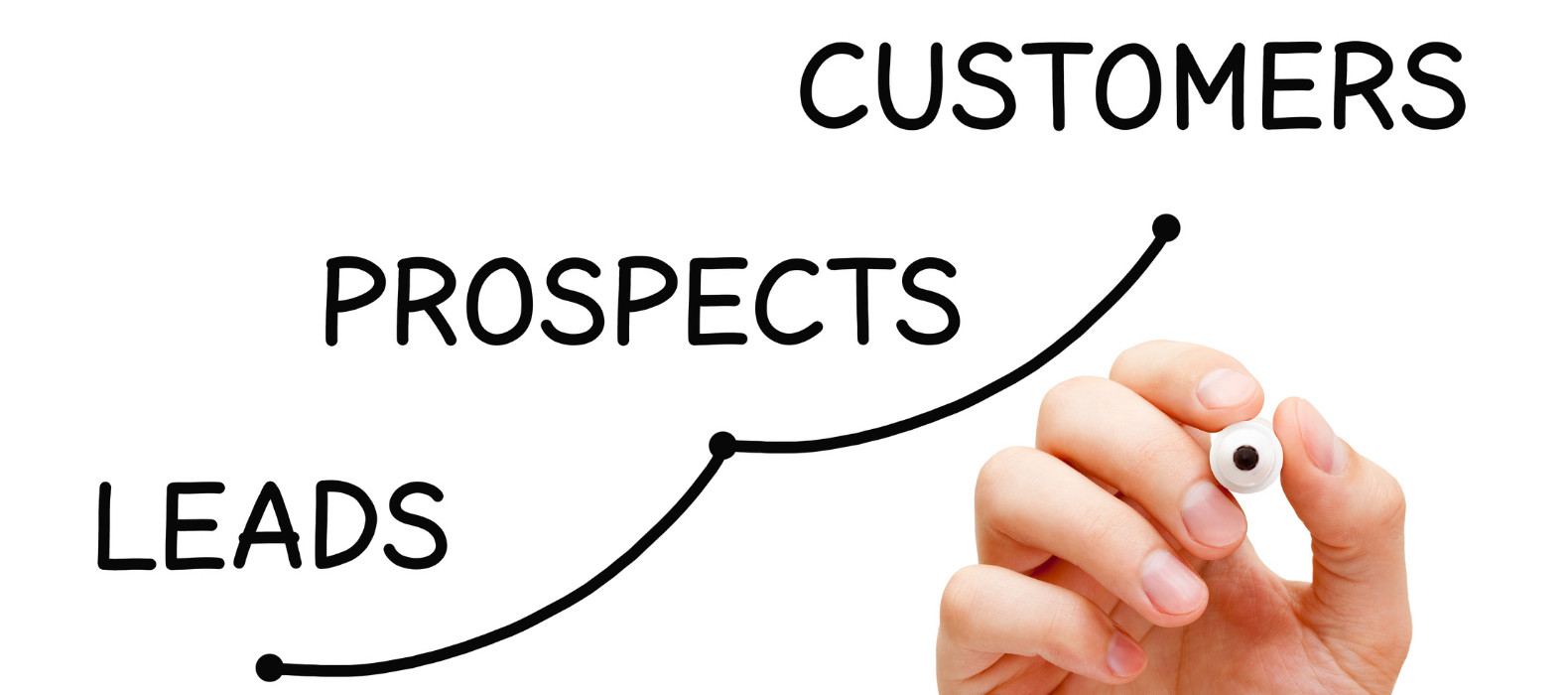
You get busy with two or three active deals. You stop prospecting because you have enough on your plate and you tell yourself you will pick it back up when things calm down. The deals close. You feel good. And then 60 to 90 days later the pipeline is completely empty because you stopped feeding it at exactly the wrong moment.
This is what experienced agents call the pipeline lag. Your prospecting activity and your closing income are separated by 60 to 90 days. So when you stop making calls the closings keep coming for a while which hides the problem. By the time the income drops you are already two months behind and it feels sudden even though it was entirely predictable.
The honest test is simple. How many genuine two-way conversations did you have last week with people who could realistically buy or sell in the next six months? Not emails sent. Not posts published. Actual conversations.
If the answer is fewer than ten this is almost certainly your primary bottleneck.
The fix is treating lead generation as a non-negotiable daily habit rather than something you do when the pipeline feels thin. One hour of prospecting every morning before anything else. Every day. Especially when you are busy with existing clients. That is when it matters most.
At Prospek we see this pattern consistently across the agents we speak to. The ones with the most inconsistent income are almost always the ones who prospect reactively rather than proactively. The ones with the most consistent income treat outreach like a utility bill. It gets paid every single day regardless of what else is happening.
2. You Are Getting Leads But Not Converting Them
Some agents asking why their real estate business is slow are not actually short on leads. They are short on conversions.
Leads come in. They get a call or two. They go quiet. The agent moves on and assumes they were not serious. Meanwhile that same lead signs with another agent three weeks later because someone else followed up one more time.
If this sounds familiar the problem is not your lead source. It is what happens after the lead arrives.
The two biggest conversion killers in real estate are slow response time and a weak first appointment.
Speed matters more than most agents realise. The agent who responds to a new enquiry within five minutes wins the conversation at a significantly higher rate than the one who responds five hours later. By the time you call back the lead has already spoken to two other agents and made a mental shortlist that does not include you.
The first appointment is the second problem. A listing consultation or a buyer meeting that feels like a casual chat rather than a structured professional process almost never results in a signed agreement. The seller leaves without committing. The buyer says they need to think about it. And the agent wonders why people keep wasting their time.
The fix is a repeatable appointment structure that builds trust, uncovers the real motivation behind the move, and asks for the commitment directly before the meeting ends.
Conversion is the cheapest lever you have because it produces more income from the leads you already have without spending anything on new ones.
3. Your Follow Up Quits Too Early
The third reason a real estate business goes slow is the one that costs agents the most money and the one they are least aware of.
Most agents stop following up after one or two attempts and assume the lead is dead. Research from HubSpot consistently shows that the majority of sales conversions happen after the fifth touchpoint or later. Most agents never get there.
The reason is emotional not logical. After a couple of unanswered texts following up starts to feel like bothering someone. So agents quietly stop and tell themselves the lead was not serious. But timing is everything in real estate. The homeowner who was not ready in March might be ready in September. The agent who stayed in consistent low pressure contact is the one who gets that call.
The leads sitting in your old CRM right now are not dead. They are just under followed up.
The fix is removing the emotion from follow up by building a system around it. Every new contact gets a defined sequence of touchpoints over a defined period of time. Nobody falls off the list until they give you a clear answer either way. The system runs whether you feel like following up or not.
One of the most consistent patterns we see at Prospek when speaking to agents about their pipeline is that the leads they wrote off as cold are almost always the ones that convert for the agents who stayed persistent. The fortune really is in the follow up and most agents leave it sitting there.
4. You Are Dependent on One Source That Dried Up
If your real estate business was humming along and then fell off a cliff this is often why.
One great source was carrying you. A single referral partner. One lead portal. A hot neighbourhood. A team lead feeding you deals. And then it changed. Partners retire. Algorithms shift. Portals raise their prices. The one source you relied on moved and there was nothing behind it.
Concentration feels efficient when it is working which is exactly what makes it dangerous. One reliable source is wonderful right up until the day it is not. And most agents only discover how dependent they were on a single source the day it disappears.
Look at last year’s closings and mark where each one came from. If more than half trace back to a single source you are carrying real concentration risk even if your numbers look healthy right now.
The fix is diversification done in the right order. Start by rebuilding the source you have the most control over which is almost always your existing database and past clients. Then add one or two outbound channels you can run yourself. The goal is a business that does not collapse when any single source has a bad quarter.
This is exactly why agents who work with Prospek treat our outbound campaigns as one channel in a broader system rather than their only source. A done for you cold calling campaign running in the background fills the pipeline with new motivated seller conversations every month while they maintain their other sources. No single point of failure. No sudden cliffs.
5. The Market Shifted and Your Approach Did Not
Sometimes a real estate business goes slow because the market genuinely changed and the agent kept running the same playbook.
What worked in a frenzied sellers market with multiple offers on everything fails in a slower more cautious one. Generic marketing that produced results when demand was high stops working when buyers are hesitant and sellers are holding out for prices the market will not support. The ground shifted and the approach did not shift with it.
The agents who navigate market shifts successfully are the ones who pay attention to what buyers and sellers are actually concerned about right now and adjust their messaging accordingly. They do not keep talking about speed and multiple offers when the market has slowed down. They talk about value, stability, and making the right decision rather than the fastest one.
A slower market also rewards specialisation over generality. The agent who is known for a specific neighbourhood, a specific type of property, or a specific type of seller converts at higher rates when deal flow tightens because they feel like a specialist rather than a generalist competing for the same clients as every other agent in the market.
Most importantly a shifting market rewards the agents who keep prospecting when everyone else stops. When deal flow tightens the total number of transactions does not go to zero. It concentrates around the agents who stayed active. Every agent who pulls back leaves their share of the market available for the ones who kept showing up.
The Bottom Line
Why is my real estate business slow almost always comes down to one of these five reasons.
Prospecting stopped. Conversion is broken. Follow up quits too early. Too much dependency on one source. Or the market shifted and the approach did not.
None of these are market problems. All of them are fixable.
The agents who diagnose their actual bottleneck and fix that one thing first almost always see results within 30 to 60 days. The ones who try to fix everything at once spread their energy so thin that nothing moves.
Find your one bottleneck. Fix it first. Then build the systems around it that keep it from happening again.
If a thin prospecting pipeline is your primary bottleneck and you want a consistent outbound system running in your market every single day visit Prospek.io to book a strategy call and see exactly how we would build your pipeline.
why is my real estate business slowwhy is my real estate business slowwhy is my real estate business slowwhy is my real estate business slowwhy is my real estate business slowwhy is my real estate business slowwhy is my real estate business slowwhy is my real estate business slowwhy is my real estate business slowwhy is my real estate business slowwhy is my real estate business slowwhy is my real estate business slowwhy is my real estate business slowwhy is my real estate business slowwhy is my real estate business slowwhy is my real estate business slow